Iceland and Greenland 2026
Pages
Introduction.
July
08,
09,
10,
11,
12,
13,
14,
15,
16,
17,
18,
19,
20,
21,
22.
Home.
2026-07-16
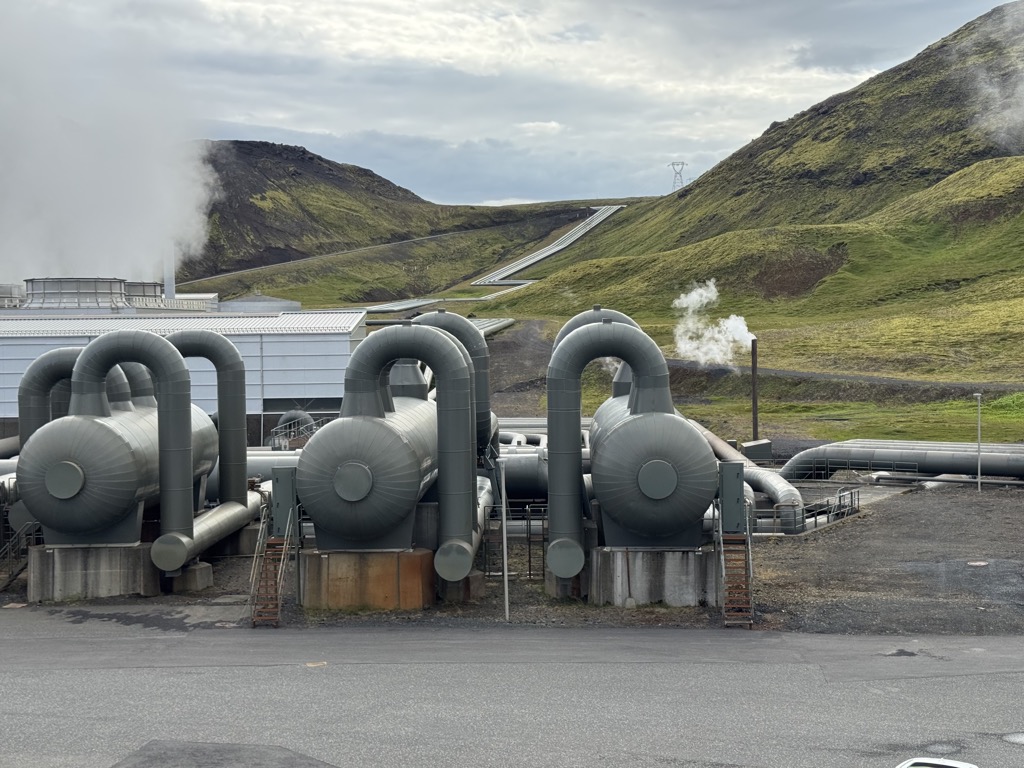
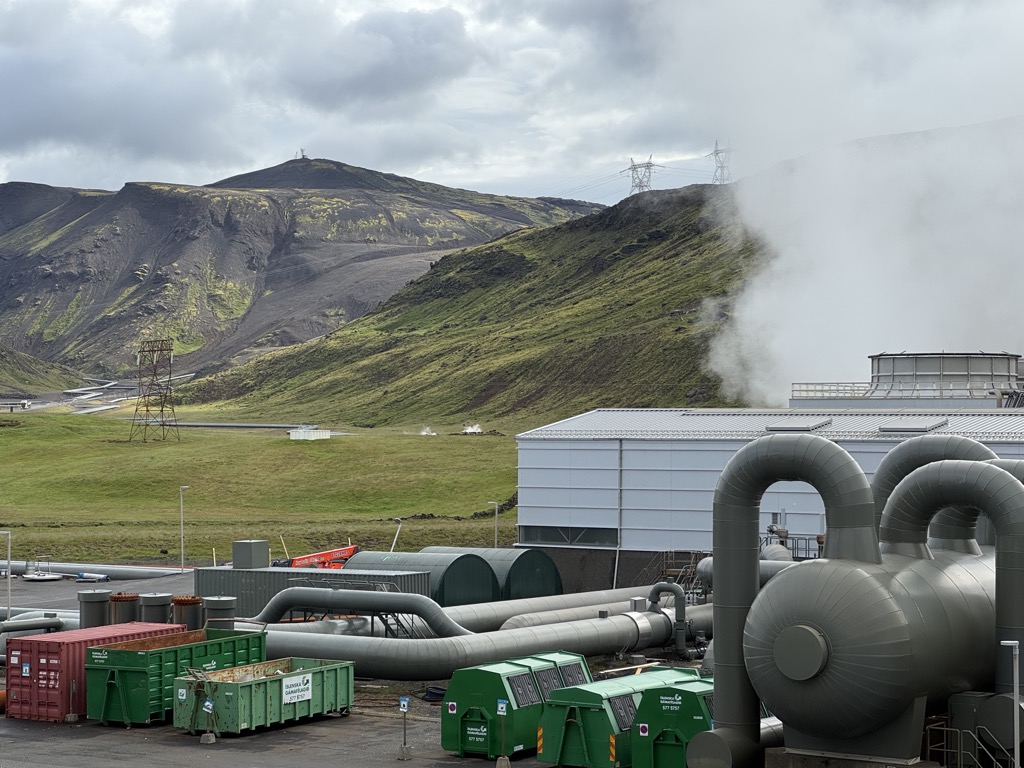
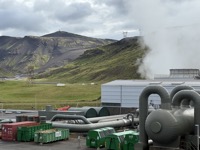
In the morning, we visited the Hellisheiþi geothermal power
plant in Ölfus. They get hot water from boreholes, use it to generate
electricity, and then pipe hot water to Reykjavík, where it is used to heat
buildings, and there is still enough heat left to warm some streets to melt ice
and snow.
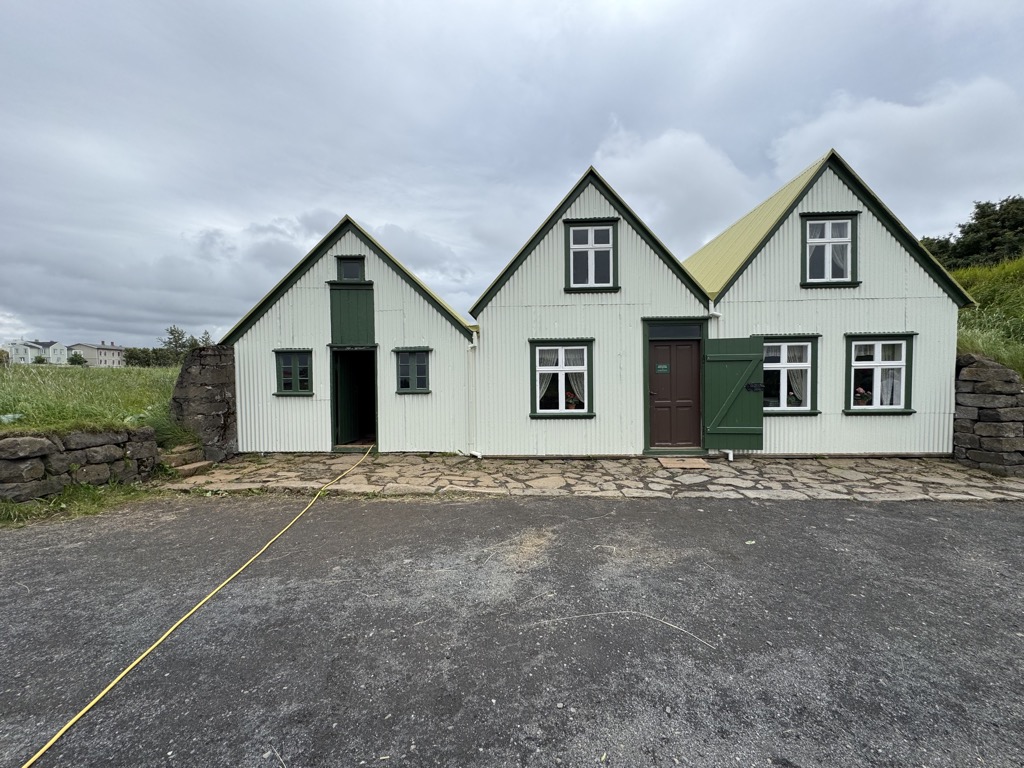
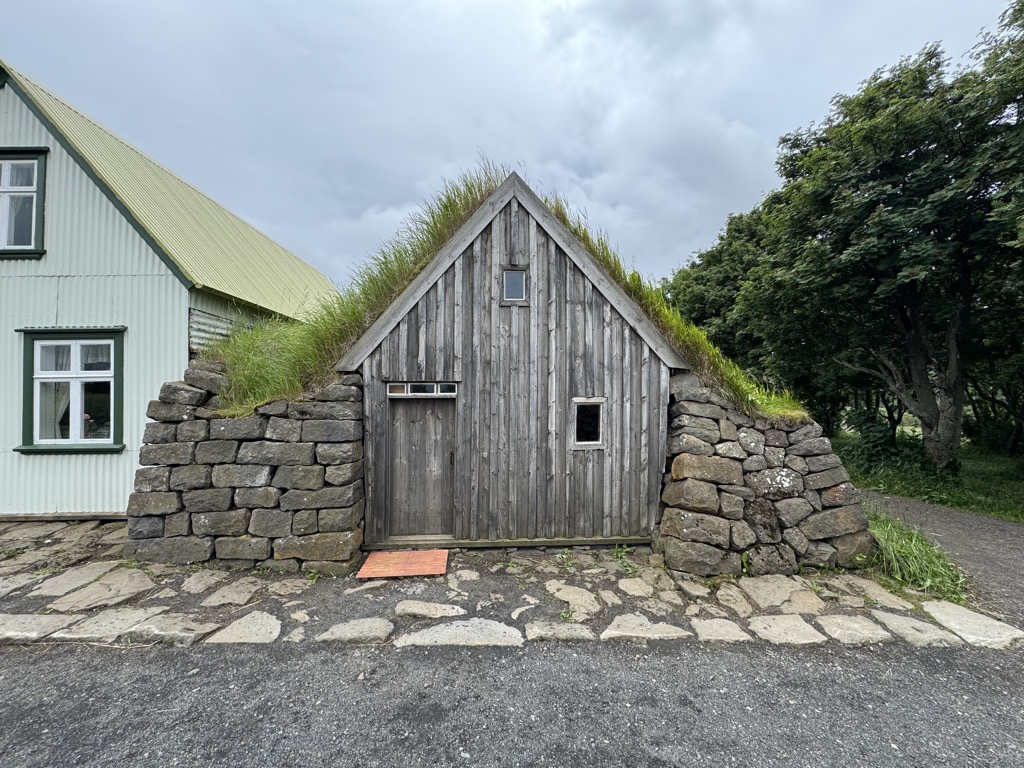
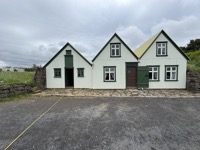
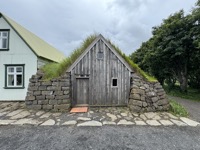
Then we visited the Árbær Open Air
Museum. It is the original site of some farmhouse buildings dating from
1891 to 1920 plus an older turf building of unknown age, and other historic
buildings have been relocated to the site or reconstructed there. In Iceland,
there was a speedy transition in the standard of living around 1900. I noticed
this on my 2018 Norway trip: There were people living in primitive longhouses in
the countryside while cities were transforming into modernity. But the change
was more drastic in Iceland as modern materials and abilities did not so much
develop over time in Iceland as be imported suddenly. So a person living in the
countryside carrying months-old pickled sheepshead for their journey could visit
a fisherman friend living comfortably in a then-modern building in Reykjavík.
Those conditions tempted many people, and the population of Reykjavîk exploded.
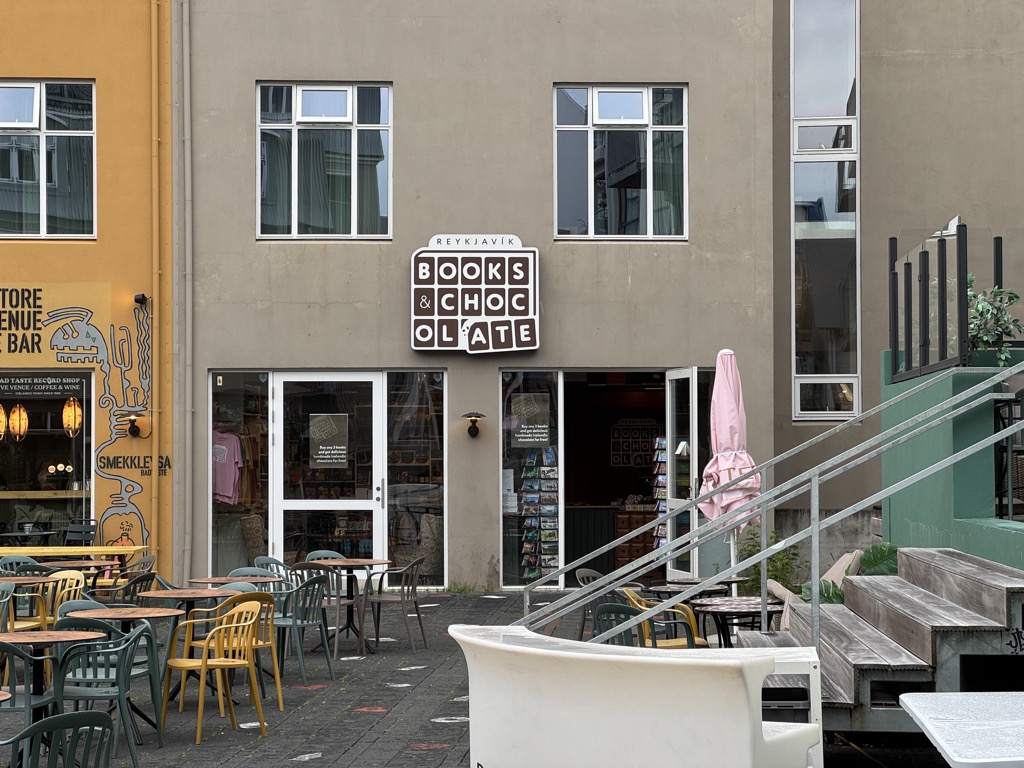
The group went to see Hallgrímskirkja, a large church in Reykjavík, but I went
off to pursue a lead on a chocolatier in the area. That did not pan out, as they
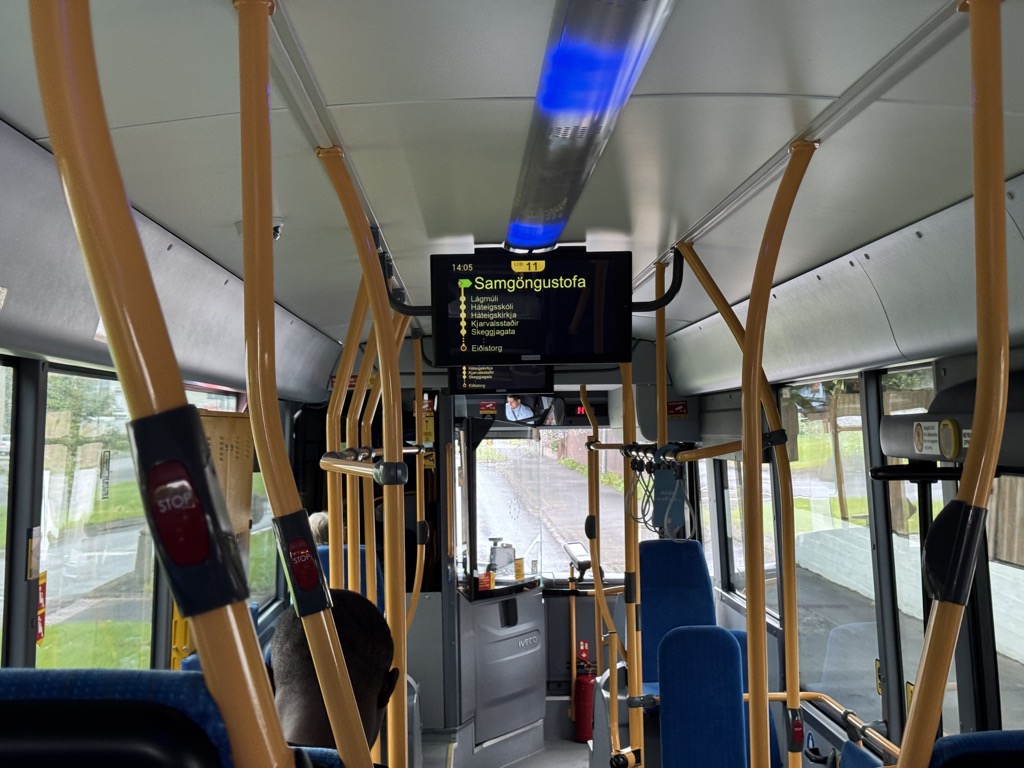
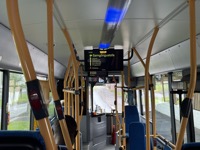
were no longer making chocolates. I took a bus back to the city center and
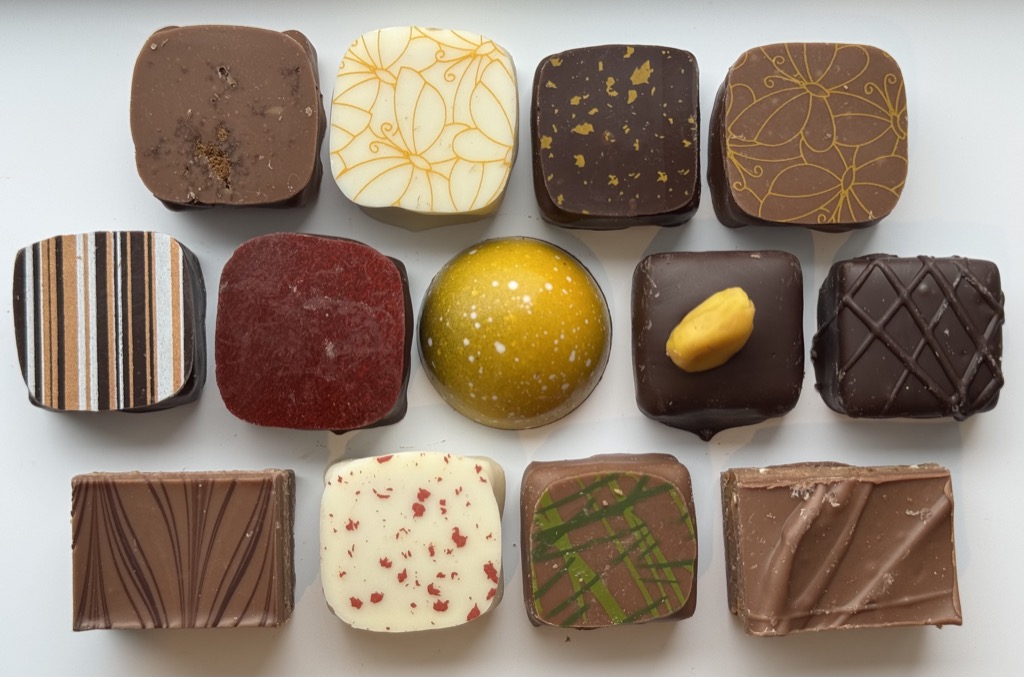
explored on my own. The trip leader sent me a lead: Sandholt is a hotel, bakery,
and breakfast restaurant with some chocolates, and they turned out to be the
best chocolates I found on the trip.
 |
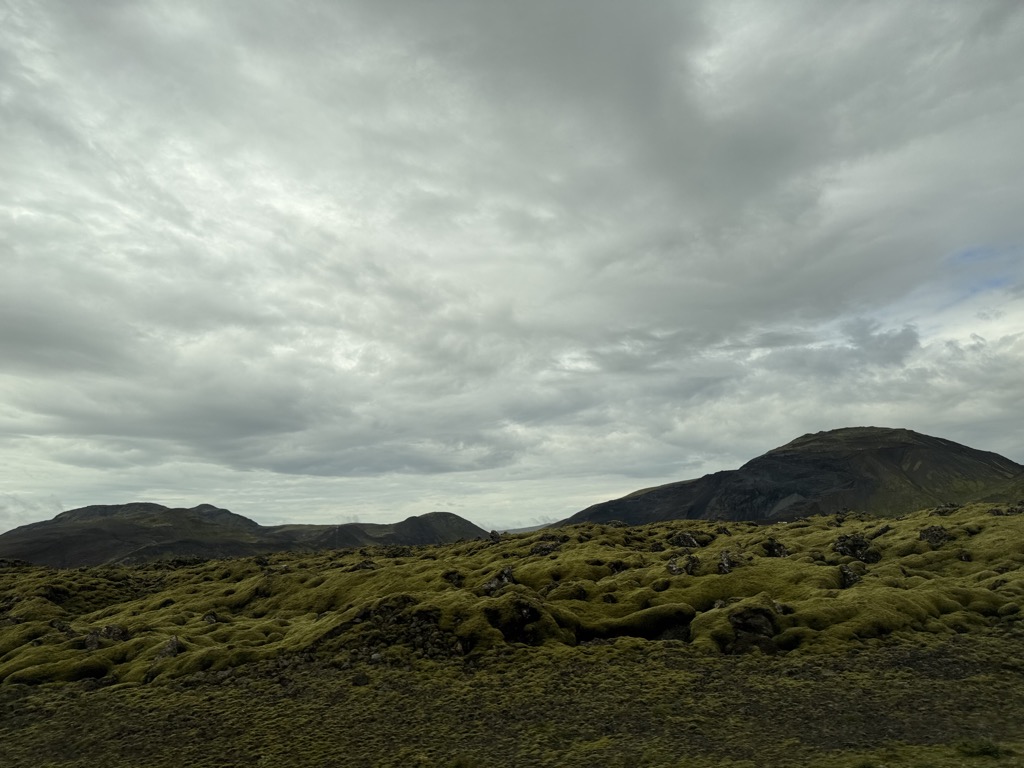
| Lava terrain. |
 |
| Geothermal power. |
 |
| Geothermal power. |
 |
| Farmhouse. |
 |
| Farmhouse. |
 |
| Reykjavík bus. |
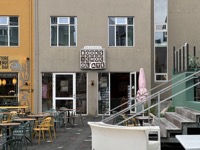 |
| Books & Chocolate. |
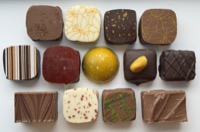 |
| Sandholt. |
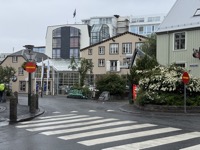 |
| Reykjavík. |
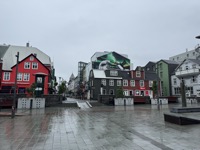 |
| Reykjavík. |
© Copyright 2026 by
Eric Postpischil.